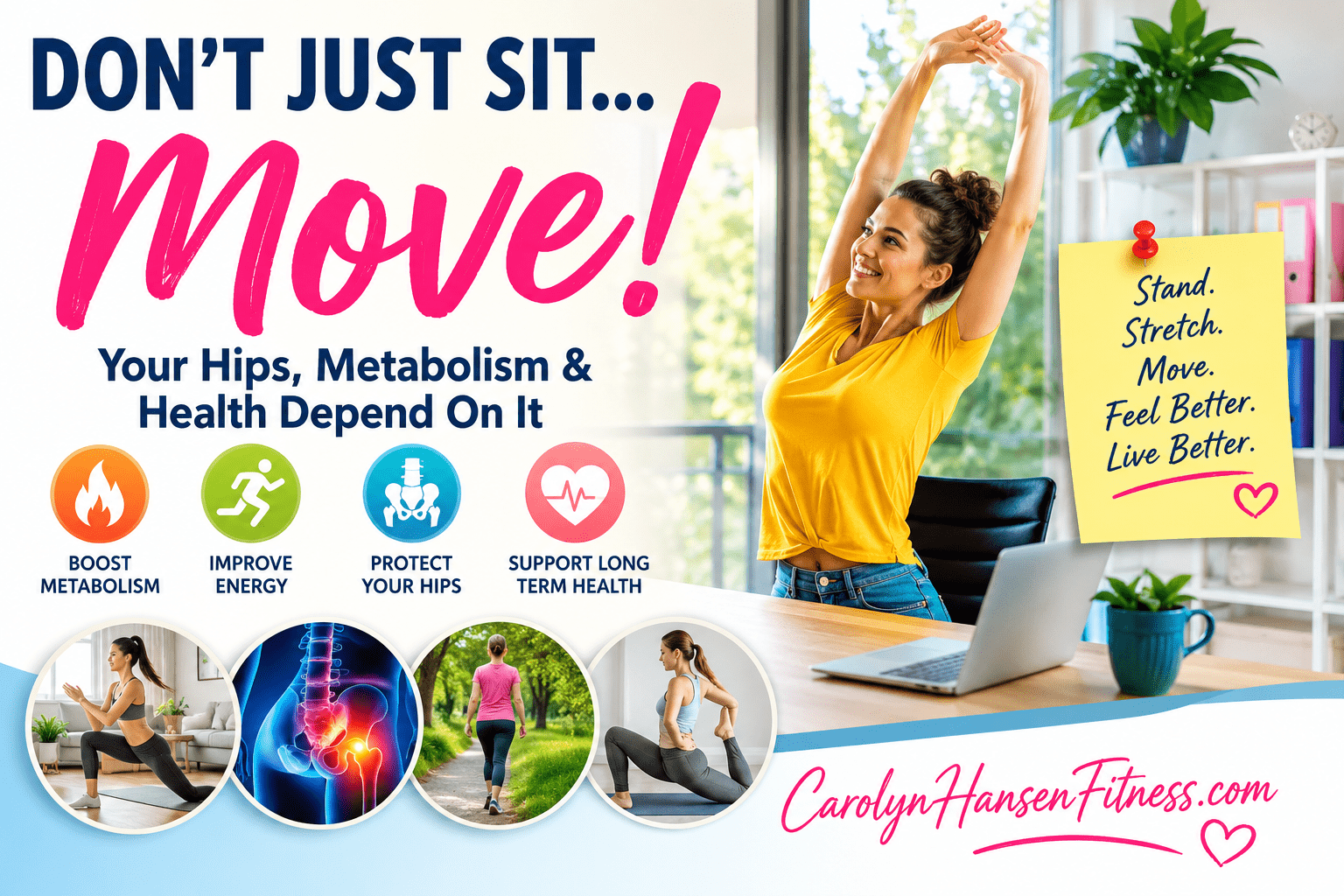
Technology has made life easier in many ways, but it has also created an unintended health problem. As machines have replaced much of our manual labor, more people than ever now spend their working day sitting.
In fact, it is estimated that as many as 85 percent of today’s workforce spends much of the day seated. Between office jobs, commuting, television, computers, and mobile devices, many adults now spend nine or more hours each day sitting. This does not include the hours we spend sleeping.
For many years, experts focused almost entirely on the importance of regular exercise. While exercise remains essential for good health, researchers have discovered that prolonged sitting presents its own unique health risks, even for people who exercise regularly.
This growing area of research has given rise to a new field known as inactivity physiology, which studies the effects that prolonged sitting has on the human body. As obesity, diabetes, heart disease, and other chronic illnesses continue to rise, scientists are learning that too much sitting may be a major contributing factor.
What Happens When You Sit Too Much?
The human body was designed for movement. Every system within your body functions more efficiently when you are active.
When you remain seated for long periods, your muscles become inactive and your metabolism begins to slow. Researchers have found that prolonged sitting significantly reduces the activity of an important enzyme called lipoprotein lipase (LPL). This enzyme plays a vital role in breaking down fats in the bloodstream and helping your body regulate cholesterol and blood sugar levels.
When LPL activity declines, your body becomes less efficient at processing fats for energy. Blood sugar control can suffer, cholesterol levels may worsen, and excess calories are more likely to be stored as body fat.
This helps explain why people who spend much of their day sitting have significantly higher rates of obesity, Type 2 diabetes, heart disease, and many other chronic health conditions.
Muscles Are Metabolic Engines
Many people think of muscles simply as something that makes us stronger or improves athletic performance. In reality, muscle tissue plays a much larger role in keeping the body healthy.
The largest muscles in your body are found in your legs, hips, buttocks, and back. These powerful muscles are responsible for burning large amounts of energy every day. When they are active, they help regulate blood sugar, improve circulation, support healthy cholesterol levels, and increase calorie burning.
When these muscles remain inactive for hours at a time, your body’s entire metabolic engine begins to idle.
This slowing of your metabolism can lead to fatigue, unwanted weight gain, poor blood sugar control, reduced energy, decreased circulation, and increased risk for chronic disease.
The Importance of Your Hip Flexors
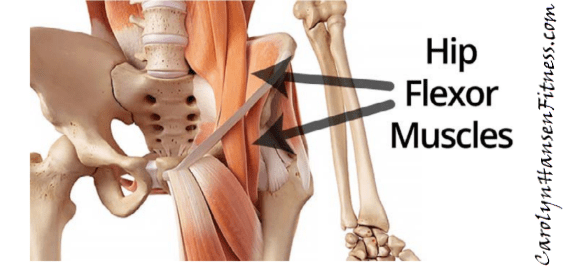
One of the muscle groups most affected by prolonged sitting is the hip flexors.
The hip flexor group consists of several muscles, including the iliopsoas, rectus femoris, sartorius, tensor fasciae latae, and several muscles of the inner thigh. Together they form one of the strongest and most important muscle groups in the body.
The psoas muscle is especially significant because it is the only muscle that directly connects the upper body to the lower body. Sometimes referred to as the “mighty psoas,” it plays an essential role in nearly every movement you make.
Every time you walk, climb stairs, stand from a chair, lift your leg, or bend forward, your hip flexors are working. They also help stabilize your spine, support healthy posture, maintain balance, and protect your lower back.
Simply put, your hips serve as the bridge between your upper and lower body. When this bridge becomes weak or tight, the effects can be felt throughout the entire body.
Why Sitting Creates Tight Hip Flexors
When you spend hours sitting, your hips remain in a shortened position. Over time, these muscles adapt by becoming shorter and tighter.
Unfortunately, shortened muscles cannot generate the same strength and flexibility as healthy muscles that regularly move through their full range of motion.This is why so many people today complain of tight hips, stiff lower backs, poor posture, and limited mobility.
At hletes often experience hip flexor injuries because these muscles are heavily involved in sprinting, kicking, and explosive movement. However, office workers frequently develop tight hip flexors simply from remaining seated for most of the day.
Poor posture only makes the problem worse.
As the hip flexors tighten, they pull the pelvis forward, placing additional stress on the lower back. This may contribute to an exaggerated curve of the lumbar spine known as hyperlordosis, sometimes called swayback. Over time, this altered posture can lead to chronic discomfort, muscle imbalances, reduced flexibility, and increased risk of injury.
Hip Joints Need Movement to Stay Healthy
Movement is also essential for maintaining healthy hip joints. Period.
The hip is a ball-and-socket joint lined with smooth cartilage that allows the bones to glide effortlessly during movement. Unlike many other tissues in the body, cartilage does not have its own direct blood supply.
Instead, it depends on nutrient-rich synovial fluid inside the joint capsule to deliver oxygen and nourishment.
Every time you move your hips, changes in pressure within the joint circulate this fluid, allowing nutrients to reach the cartilage while carrying away waste products.
When you sit for long periods, this natural pumping mechanism slows dramatically.
The fluid moves less freely, nutrient exchange decreases, and certain areas of the joint may receive less nourishment than they need. Over time, poor joint nutrition may contribute to stiffness, discomfort, cartilage wear, and reduced joint health.
This is one more reason why regular movement throughout the day is so important.
The Hidden Cost of a Sedentary Lifestyle
Research continues to show that prolonged sitting is associated with increased risks of obesity, heart disease, Type 2 diabetes, certain cancers, poor circulation, and metabolic disorders.
Many people who sit most of the day also experience insulin resistance, elevated triglycerides, reduced energy levels, and difficulty maintaining a healthy body weight.
A slower metabolism may also contribute to symptoms such as fatigue, feeling cold, low motivation, poor concentration, reduced sex drive, and difficulty losing weight.
The effects often develop gradually, making them easy to overlook until they begin interfering with everyday life.
Exercise Alone Isn’t Enough
Regular exercise remains one of the most powerful things you can do for your health.
Even a single workout can improve insulin sensitivity, increase fat burning, boost mood, and improve cardiovascular health.
However, research suggests that exercising for an hour each day does not completely eliminate the negative effects of sitting for the remaining hours.
The healthiest approach is to combine regular exercise with frequent movement throughout the day.
Stand up often. Walk whenever possible. Stretch your hips. Take the stairs. Move while talking on the phone.
Even a few minutes of movement every hour can help reactivate your muscles, stimulate circulation, improve joint nutrition, and keep your metabolism working more efficiently.
The body is designed to move…it thrives on movement.
While modern technology has made many aspects of life easier, it has also encouraged us to spend far too much time sitting. The result is a gradual slowing of many of the body’s natural processes that help keep us healthy and strong.
The good news is that the solution is surprisingly simple.
Move more.
Whether it’s taking a short walk, stretching your hip flexors, standing during phone calls, or simply getting up every 30 to 60 minutes, every bit of movement helps.
Exercise regularly, but don’t let that be your only movement of the day. Make activity a natural part of your lifestyle, and your muscles, joints, metabolism, and overall health will reward you for years to come.
If this article stirred something and you are ready to adopt a heathier lifestyle, head over to…
Self-Improvement Gifts Where you’ll ffind a library of Free resources that will help you with all your health and fitness needs.