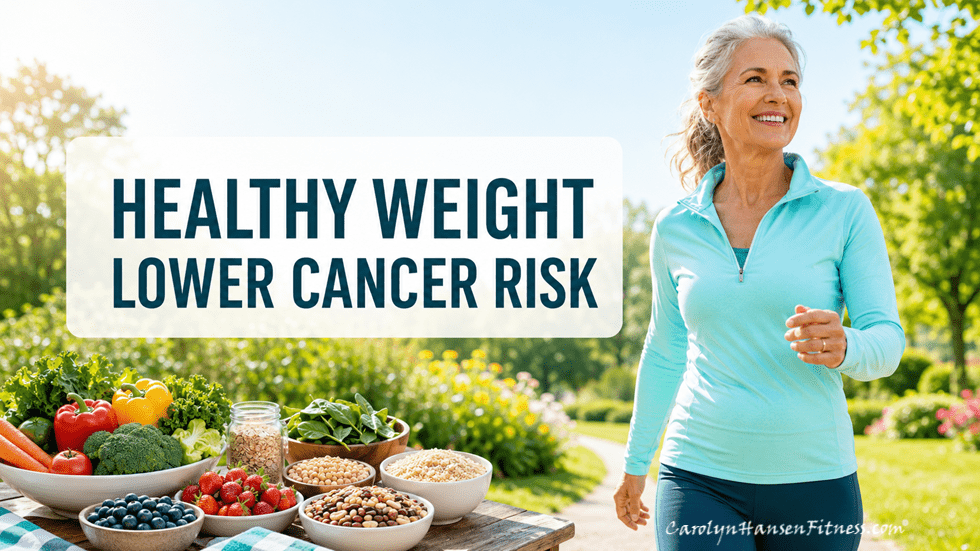
Without a doubt, poor nutrition and limited physical activity are important cancer risk factors. However there is another rick factor often overlooked, but cannot be ignored, excess body weight.
Outside of tobacco use, the combination of excess body weight, an unhealthy diet, alcohol consumption and physical inactivity represents one of the most important groups of preventable cancer risk factors.
Being overweight or obese has been linked to an increased risk of at least 13 different cancers. These include cancers of the gallbladder, liver, kidney, pancreas, colon and rectum, endometrium, ovary, thyroid and esophagus, as well as post-menopausal breast cancer, meningioma and multiple myeloma.
Excess body weight may also increase the risk of advanced prostate cancer and influence how certain cancers develop and progress.
Next to not smoking, one of the most valuable things you can do to protect your long-term health is maintain a healthy weight throughout your life. However, this does not mean you have to be extremely thin. It means working toward a weight that supports healthy blood sugar, hormone balance, mobility, muscle strength and overall metabolic health.
Making lifestyle changes that can lower your risk of cancer is more important now than ever. Excess weight has become increasingly common, as too many people spend most of their day sitting and eat diets filled with highly processed foods.
Daily Habits
The good news is that our daily habits can make a difference.
Eating more vegetables, fruits, legumes and whole grains, limiting heavily processed foods and being physically active on a regular basis can help you manage your weight while strengthening your body’s natural defenses.
Current cancer-prevention guidelines recommend that adults work toward 150–300 minutes of moderate-intensity physical activity each week or 75–150 minutes of vigorous activity. This can be divided into manageable sessions throughout the week.
A brisk 30-minute walk five days a week is an excellent place to begin.
Excess Body Fat Can Increase Cancer Risk
Body fat is not simply stored energy. It is active tissue that produces hormones and other substances capable of influencing inflammation, metabolism and cell growth.
Excess body fat may:
Increase chronic inflammation
Raise insulin and insulin-like growth factors
Alter estrogen and other hormone levels
Affect immune-system function
Create an internal environment that encourages abnormal cell growth
The more often cells divide, the more opportunities there are for errors to occur. This is one reason excess body fat, particularly the visceral fat stored deep within the abdominal area, can become a serious health concern.
Visceral fat surrounds internal organs and is more metabolically active than the fat located directly beneath the skin. It can release inflammatory substances and interfere with the way the body regulates insulin and hormones.
This does not mean that everyone with an “apple-shaped” body will develop cancer. It simply means that carrying excess fat around the waist may be an important warning sign that deserves attention.
Waist size is only one piece of the picture, but it can offer valuable information about metabolic health that the bathroom scale alone does not provide.
Weight Gain Over a Lifetime Matters
Being overweight during childhood or gaining substantial amounts of weight throughout adulthood may increase the risk of developing certain cancers later in life.
This is why cancer prevention should not be viewed as a temporary diet or short-term exercise program.
It is a lifelong commitment to caring for the body.
Repeated cycles of extreme dieting, rapid weight loss and weight regain rarely create lasting health. A better approach is to make realistic changes you can continue without constantly feeling deprived.
Begin by improving one meal, taking one daily walk, reducing one source of added sugar or replacing one processed snack with a whole-food alternative. Small improvements, repeated consistently, can create meaningful changes in body weight and health. You do not have to change everything overnight.

Lifestyle Choices and Cancer Prevention
Cancer is a complex group of diseases influenced by age, genetics, environmental exposures, infections and other factors. No lifestyle can guarantee that cancer will never occur.
However, research confirms that many cancer cases may be prevented through healthier lifestyle choices. This means you and I have more influence over our health than was once believed.
We may not be able to control every risk factor, but we can control many of the choices we make each day.
The formula for supporting cancer prevention is simple:
Be Lean
Eat Nutrient-Dense Foods
Get Active
Build and Maintain Strong Muscles
Enjoy Quality Sleep
Reduce Stress
Avoid Tobacco
Limit or Avoid Alcohol
These elements work together and make one another stronger.
For example, when you are physically active and eating quality foods, you are more likely to maintain a healthy weight, sleep better and handle stress more effectively.
Good sleep helps regulate appetite hormones, energy levels and food choices. Strength training helps preserve muscle tissue, supports insulin sensitivity and makes it easier to remain active as you age.
Stress management can reduce emotional eating and make it easier to follow healthy routines.
When one of these elements is missing, it can negatively affect the others and create a domino effect. Poor sleep may increase cravings. Chronic stress may reduce motivation to exercise. Physical inactivity can contribute to muscle loss, weight gain and additional fatigue.
The opposite is also true.
One positive change can begin an upward spiral toward better health.
Your Body’s Natural Defenses
Every day, the body uses a remarkable system of defenses to identify damaged or abnormal cells, repair cellular damage and remove cells that may become harmful.
The immune system is constantly working behind the scenes, but it requires proper support.
Poor nutrition, inactivity, excess body fat, chronic stress, inadequate sleep, smoking and heavy alcohol use can place additional pressure on the body. Over time, these factors may weaken immune function, increase inflammation and create conditions that make disease more likely to develop.
This is not about blaming anyone who develops cancer. Cancer can affect people who appear to do everything right.
It is about giving the body the strongest possible foundation from which to protect, repair and renew itself.
Maintaining a healthy weight and being as lean and strong as possible are major players in long-term health. But weight loss should never focus only on making the number on the scale smaller.
Losing muscle along with body fat can weaken the body, slow metabolism and make it more difficult to maintain weight loss. This becomes especially important as we age because muscle mass naturally begins to decline unless we take action to preserve it.
Include muscle-strengthening activities at least two days each week. You can use resistance bands, hand weights, exercise machines or your own body weight.
Simple exercises such as squats to a chair, wall push-ups and resistance-band rows can help build and preserve valuable muscle tissue.
Strong muscles help manage blood sugar, support healthy bones, improve balance and make everyday activities easier.

Build a Cancer-Protective Eating Pattern
A healthy eating plan does not need to be complicated or extremely restrictive.
Build most meals around vegetables, beans, lentils, whole grains, fruit, nuts, seeds and other minimally processed foods. These foods provide fiber, vitamins, minerals and protective plant compounds.
Dietary fiber is particularly valuable. It supports healthy digestion, helps regulate blood sugar, increases fullness and has been associated with a lower risk of colorectal cancer.
Include adequate protein at each meal to help preserve muscle and control hunger. Plant proteins such as beans, lentils, peas, nuts, seeds, tofu and tempeh are excellent choices. Fish, eggs, poultry and minimally processed dairy foods can also fit into a balanced eating pattern if desired.
Reduce foods that offer large amounts of calories with very little nutritional value, including:
Sugar-sweetened drinks
Heavily processed snack foods
Refined baked goods
Processed meats
Excessive amounts of red meat
Foods high in added sugar and unhealthy fats
Alcohol
Rather than becoming overly focused on eliminating all carbohydrates, pay attention to carbohydrate quality.
Vegetables, beans, whole grains and whole fruits contain valuable nutrients and fiber. These foods affect the body very differently from sugary drinks, candy, pastries and highly refined grain products.
The goal is not to fear food. The goal is to choose foods that nourish the body most of the time.
If you are currently overweight or inactive, do not allow the size of the journey to stop you from beginning.
Even modest weight loss may improve blood pressure, blood sugar, mobility and metabolic health. You do not need to reach a “perfect” weight before your efforts begin benefiting your body.
Start with a few achievable goals:
Walk for 10–15 minutes after a meal
Add a serving of vegetables to lunch and dinner
Replace sugary drinks with water or unsweetened tea
Perform strength exercises twice each week
Keep tempting processed snacks out of immediate reach
Create a consistent bedtime routine
Practice slow breathing or another form of stress reduction
When these habits become comfortable, build upon them.
Without our health, we have much less energy to offer ourselves and others. Health truly is wealth, and anyone struggling with poor health may never have the opportunity to fully enjoy the dreams they worked so hard to achieve.
Cancer prevention is not found in one miracle food, supplement or exercise.
It is built through the choices we make repeatedly: nourishing the body, maintaining strong muscles, protecting sleep, managing stress, remaining active and keeping excess body fat under control.
You cannot control every factor connected to cancer, but you can create an internal environment that supports health, strength and resilience.
Begin today with one positive action.Your body is listening, responding and working for you every moment of every day.