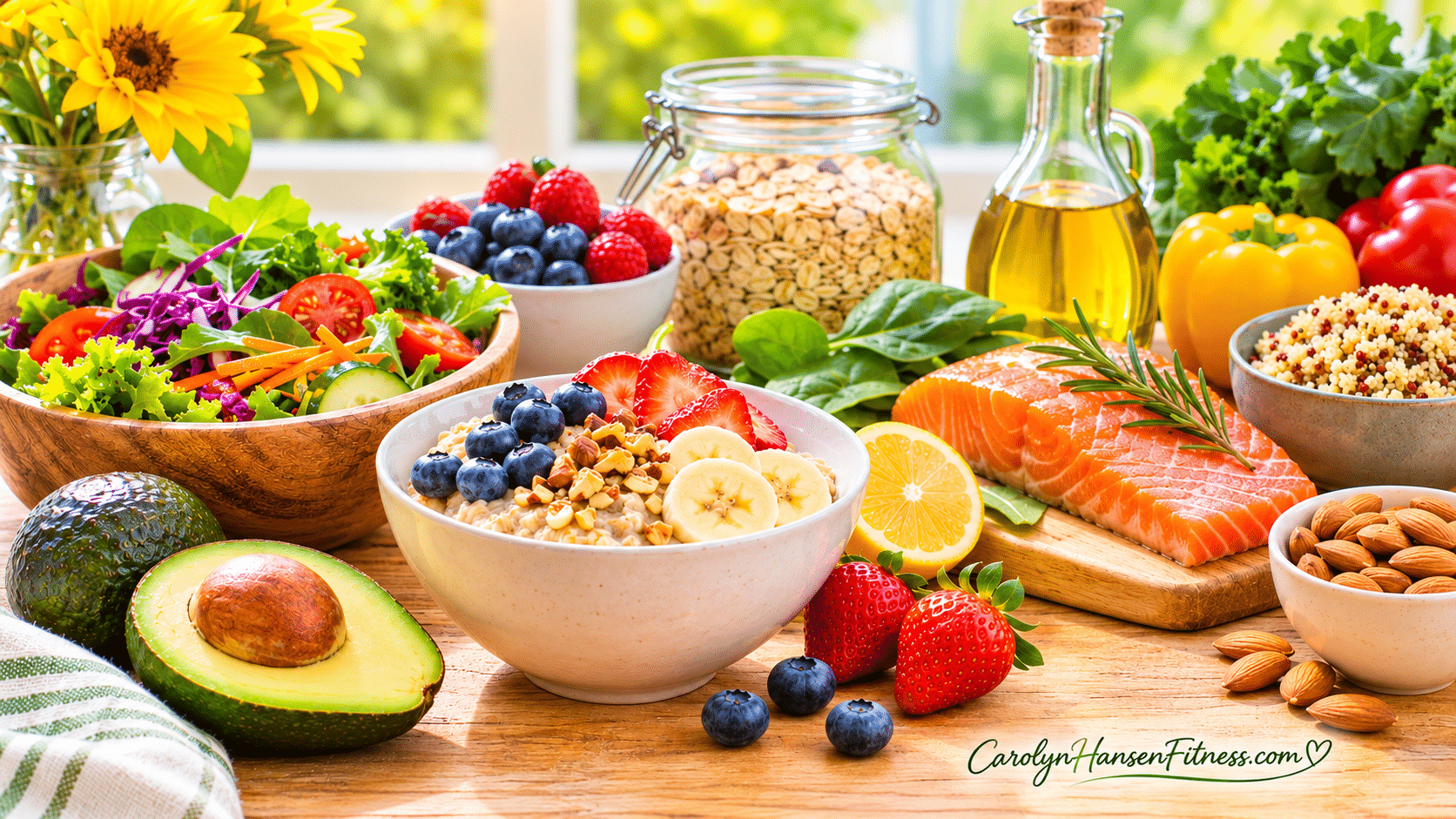
Clean eating is a simple straightforward concept that gets rid of highly processed, chemically laden foods in your diet and replaces them with whole natural food choices.
Clean eating will require you to do more of your own home cooking. It is not complicated nor does it have to be expensive because cooking foods from scratch can actually be less expensive than buying prepackaged foods.
When you buy prepackaged food you are not only paying for the food product, you are also paying for the packaging and convenience. One of the main reasons foods are processed in the first place is to make them easier to prepare and store. Easier to prepare maybe…but not necessarily healthier for you.
When you opt for convenience foods over fresh choices, you may actually be trading convenience for nutrition which is not a good choice to be making. On the other hand, when you cook with fresh, whole foods and high quality ingredients, you have much greater control over what goes into your meals.
Many prepackaged foods are highly processed and loaded with sodium, unhealthy fats, added sugars and excess calories. Some also contain artificial flavors, colors and other additives that contribute little or nothing to their nutritional value.
On the other hand, whole foods tend to provide more fiber, water and important nutrients that help satisfy your appetite and keep you feeling full longer. This can make it easier to manage your calorie intake without constantly feeling hungry or deprived.
Not all food additives are harmful, but a diet built around heavily processed foods makes it difficult to get the nutrients your body needs.
Research has also linked high consumption of ultra processed foods with increased risks of obesity, type 2 diabetes, cardiovascular disease and other chronic health problems.
Cooking from scratch does take a bit more time in the kitchen planning and preparing meals but the tradeoff is often money saved and more vitamins, minerals, fiber and valuable nutrients gained. It’s definitely a win-win situation.
Clean Eating Is About Nourishing Your Body
One of the biggest mistakes people make when choosing what to eat is concentrating entirely on calories rather than nutritional value.
Your body does not simply need food to fill your stomach. It needs a steady supply of nutrients to maintain healthy cells, repair tissues, produce energy, support your immune system and keep all your organs functioning properly.
You can consume plenty of calories throughout the day and still be poorly nourished if those calories come mainly from foods that provide very little nutritional value.
Think about the difference between eating a sugary pastry for breakfast and enjoying a bowl of oatmeal topped with berries, walnuts and natural yogurt.
Both provide calories, but the oatmeal breakfast also delivers fiber, protein, healthy fats, vitamins and minerals that support your body in numerous ways.
The goal of clean eating is not simply to eat less food. It is to get more nourishment from the food you eat.
This is where understanding the difference between macronutrients and micronutrients becomes especially important.
Macronutrients and Micronutrients –
What your body really needs!
Every healthy eating plan should provide a balance of two essential groups of nutrients known as macronutrients and micronutrients.
Although their names sound rather scientific, the concept is actually quite simple.
Macronutrients are the nutrients your body needs in larger amounts. They include proteins, carbohydrates and fats.
Micronutrients are the vitamins and minerals your body requires in much smaller amounts, but they are every bit as important to your health.
Both groups work together to keep your body healthy, energized and functioning the way it was designed to.
Macronutrients –
Are the building blocks of a healthy body.
Protein
Protein is essential for building, maintaining and repairing your muscles, organs, skin and other body tissues. It also plays an important role in producing enzymes, hormones and antibodies that help protect your health.
As we age, getting enough protein becomes increasingly important because we naturally begin losing muscle mass unless we take steps to preserve it.
Good clean eating sources of protein include eggs, fish, poultry, lean meats, beans, lentils, nuts, seeds and natural dairy products.
Plant foods such as quinoa, tofu and chickpeas are also excellent choices for adding more protein and variety to your meals. Including a source of protein with each meal can help you feel satisfied longer while supporting healthy muscles and normal tissue repair.
Carbohydrates
Carbohydrates have developed a rather undeserved reputation over the years. Many people believe they need to avoid carbohydrates to maintain a healthy weight.
However, carbohydrates are an important source of energy, particularly for your brain and working muscles.
The secret is choosing the right kinds.
Whole grains, vegetables, fruits, beans and lentils provide carbohydrates along with fiber, vitamins, minerals and other beneficial plant compounds.
Refined carbohydrates found in sugary cereals, pastries, white bread and many processed snacks generally contain less fiber and can be easier to overconsume.
Your body responds very differently to a bowl of steel cut oats than it does to a bowl of sugary breakfast cereal. The oats provide slow digesting carbohydrates and soluble fiber that help support digestive health and healthy cholesterol levels.
Rather than eliminating carbohydrates, concentrate on choosing nutritious, fiber rich sources.
Healthy Fats
Fat is another nutrient that has been unfairly blamed for many health problems.
The truth is your body needs healthy fats to absorb certain vitamins, maintain healthy cell membranes, produce hormones and support normal brain function.
The important thing is choosing the right types of fat.
Avocados, olives, extra virgin olive oil, walnuts, almonds, chia seeds, flaxseeds and fatty fish such as salmon and sardines are all excellent choices.
These foods provide beneficial unsaturated fats, including omega 3 fatty acids that support heart and brain health.
Try replacing some of the butter, processed meats and fried foods in your diet with these healthier fat sources.
Remember, healthy eating is not about eliminating entire food groups. It is about choosing foods that provide your body with the greatest nutritional benefits.
Micronutrients –
Small amounts offer enormous benefits.
While macronutrients provide energy and the building materials your body needs, micronutrients help regulate the thousands of chemical processes taking place inside you every day.
Vitamins and minerals are involved in everything from producing energy and maintaining healthy bones to supporting your immune system and protecting cells from damage.
For example, vitamin C supports immune function and helps your body produce collagen. Vitamin D is important for bone health and normal immune function, while B vitamins help your body release energy from food.
Minerals are equally important.
Calcium helps maintain strong bones and teeth. Magnesium supports normal muscle and nerve function. Potassium helps regulate fluid balance and blood pressure, while iron is essential for carrying oxygen throughout your body.
A shortage of even one important nutrient can interfere with normal body functions over time.
The wonderful thing about clean eating is that whole foods naturally provide a wide variety of these nutrients.
Dark leafy greens supply folate, vitamin K and several minerals. Orange vegetables such as carrots and sweet potatoes provide beta carotene, which your body can convert into vitamin A. Berries contain vitamin C and beneficial plant compounds, while nuts and seeds provide vitamin E, magnesium and other valuable nutrients.
One of the easiest ways to improve your micronutrient intake is to eat a colorful variety of fruits and vegetables every day.
Different colors often represent different combinations of nutrients and protective plant compounds.
Instead of eating the same vegetables every day, experiment with spinach, broccoli, red peppers, purple cabbage, carrots, tomatoes, squash and whatever fresh produce happens to be in season.
The greater the variety, the better your chances of obtaining a broad range of essential nutrients.
Fiber and Digestive Help –
Fiber deserves special attention because it is one of the most overlooked components of a healthy diet.
Although fiber is a type of carbohydrate, your body does not digest it the same way it digests sugars and starches.
Instead, fiber travels through your digestive system where it helps maintain regular bowel movements, supports beneficial intestinal bacteria and contributes to feelings of fullness.
Certain types of soluble fiber also help lower cholesterol and support healthier blood sugar levels. Unfortunately, many people consume far less fiber than their bodies need because their diets rely too heavily on refined grains and processed foods.
Whole grains, beans, lentils, vegetables, fruits, nuts and seeds are some of the best natural sources.
A simple way to increase fiber is to replace refined grain products with whole grain alternatives and include vegetables or fruit with every meal.
Just remember to increase your fiber intake gradually and drink adequate water so your digestive system has time to adjust.
For the most part, when people make the switch to fresh whole foods their taste buds go through withdrawals of sorts. Nothing seems to match the intense flavor of those prepackaged foods loaded with sugar, salt and artificial flavorings.
But keep persevering and trying new foods. Begin by tackling the food items you eat the most first.
For example, if you presently eat white bread then substitute 100% whole wheat bread for it. You should also consider whole grain wraps and pitas as alternatives for sandwich bread. You can easily fill a pita or wrap with meat, fish, eggs, rice or beans and salad ingredients and wrap it all up for a convenient lunch.
Clean your cupboard out of sugar rich processed cereals and replace them with natural whole grains like oats.
Or better yet, make yourself a mix of whole grains like barley, millet flakes, rye flakes, quinoa, amaranth and buckwheat and increase your family’s nutritional intake overnight. You can cook a batch of whole grains ahead of time and keep portions refrigerated or frozen so preparing breakfast becomes quick and easy.
Top your cereal with fresh fruit, cinnamon, chopped nuts or seeds for additional flavor and nourishment.
Food Labels Matter –
One of the most useful habits you can develop when switching to clean eating is learning how to read food labels.
Food manufacturers have become very clever at making products appear healthier than they actually are.
Words such as natural, wholesome, multigrain and made with real fruit can sound impressive, but they do not necessarily mean a product is nutritious.
Turn the package around and examine the ingredient list and nutrition information. Pay particular attention to added sugars, sodium, fiber and the types of fats used. Ingredients are generally listed according to their weight, beginning with the ingredient present in the largest amount.
If sugar or refined flour appears near the beginning of the list, you may want to reconsider your choice.
Keep in mind that not all packaged foods are unhealthy. Frozen vegetables, plain yogurt, canned beans, natural nut butters and canned fish can all be nutritious and convenient additions to a clean eating plan.
The goal is to recognize the difference between foods that have been processed for convenience and preservation and foods that have been heavily altered with large amounts of added sugar, salt and unhealthy fats.
Plan Ahead For Healthy Eating –
If you have room in your freezer, when you prepare your meals on the weekends or whenever you have days off, make extra portions and simply freeze them in individual servings.
Then on nights you don’t have time to cook you’ll have a healthy meal to turn to that requires little to no preparation.
Soups, stews, chili, casseroles and homemade vegetable sauces are all excellent choices for preparing ahead of time.
You can also wash and chop vegetables, cook brown rice or quinoa and prepare protein sources ahead of time so meals come together quickly throughout the week. Keeping your refrigerator stocked with healthy ingredients removes much of the temptation to reach for fast food or heavily processed convenience meals.
Another useful habit is planning several meals before grocery shopping. When you know what you intend to cook, you are less likely to purchase unnecessary items that end up going to waste. Buying seasonal produce, dried beans, oats, brown rice and frozen vegetables can also help keep your grocery bill under control.
Don’t concentrate just on meals…you are going to need some fun sweet treats for snacking or you’ll begin reaching for those easy to grab processed foods again.
So, while you’re busy freezing things, make some fruit purees and freeze them in ice cube trays or peel and slice bananas and freeze them for an icy treat throughout the week.
Frozen bananas can also be blended into a creamy dessert that tastes surprisingly similar to ice cream.
Try mixing plain Greek yogurt with fresh berries, cinnamon and chopped nuts for a satisfying snack that provides protein, fiber and valuable nutrients.
Apple slices with natural peanut butter, homemade trail mix, roasted chickpeas and vegetables with hummus are other excellent choices.
For chocolate lovers, a small serving of dark chocolate with strawberries or almonds can satisfy a sweet craving without turning snack time into a sugar overload.
The secret is having nutritious choices readily available when hunger strikes.
Initially clean foods may seem a bit boring and bland to your palate…especially after coming off processed foods that have had all kinds of flavorings, sugar and salt added to them. However, if you are creative with herbs and spices, marinades and other natural flavors, it’s easy to combine these things and make meals more exciting and interesting.
Fresh garlic, ginger, basil, oregano, rosemary, turmeric, cinnamon and lemon juice can completely transform the flavor of ordinary ingredients.
Roasting vegetables brings out their natural sweetness while grilling, baking and slow cooking can create wonderful flavors without relying on heavily processed sauces.
You’ll soon have a list of family favorites that you’ve experimented with. Like anything else, the more you practice the better you’ll get. Eventually your taste buds adjust to your new clean diet and you start to appreciate the natural flavors of whole foods.
Foods that once seemed bland begin tasting richer and more satisfying, while some of your old processed favorites may eventually seem overly sweet or salty.
Clean Eating Is a Lifestyle –
Not a temporary diet!
Perhaps the most important thing to remember is that clean eating should never become so restrictive that it takes the enjoyment out of food.
You don’t need to follow a perfect diet or eliminate every packaged product from your kitchen to experience the benefits of healthier eating.
What matters most is the overall quality of your daily food choices. Start with small improvements and build on them gradually. Replace sugary drinks with water or unsweetened beverages. Add an extra serving of vegetables to dinner. Choose whole grains more often and prepare a few additional meals at home each week.
These simple changes may not seem dramatic, but over time they can make a meaningful difference to your health. A nutritious diet also works best when combined with regular physical activity, adequate sleep, proper hydration and healthy stress management.
All these habits support one another and help your body function more efficiently.
Clean Eating and Disease Prevention –
If you want to help keep cancer and other chronic diseases at bay then paying attention to your diet is paramount.
Although no single food or eating plan can guarantee protection against cancer, research consistently supports eating patterns rich in vegetables, fruits, whole grains, beans and other minimally processed plant foods as part of a healthy lifestyle.
These foods supply fiber, vitamins, minerals and beneficial plant compounds that help support normal cellular function and overall health.
A nutritious eating pattern can also help you maintain a healthy body weight, which is an important factor in reducing the risk of several chronic diseases.And remember, you don’t need expensive superfoods or complicated recipes to nourish your body properly.
Some of the healthiest foods available are also the simplest and most affordable.
The bottom line is that clean eating is about returning to real food, prepared simply and enjoyed regularly.
When you begin replacing heavily processed foods with fresh, nourishing ingredients, you are doing much more than changing what appears on your dinner plate.
You are giving your body the nutrients it needs to repair, maintain and protect itself while building healthier habits that can benefit you for years to come.
Your body works hard for you every single day. Isn’t it time you gave it the nourishment it deserves?
Everything you need to discover and live your best life possible can be found at:
Self-Improvement Gifts a Library of Free resources that can help you with all your health and fitness needs.