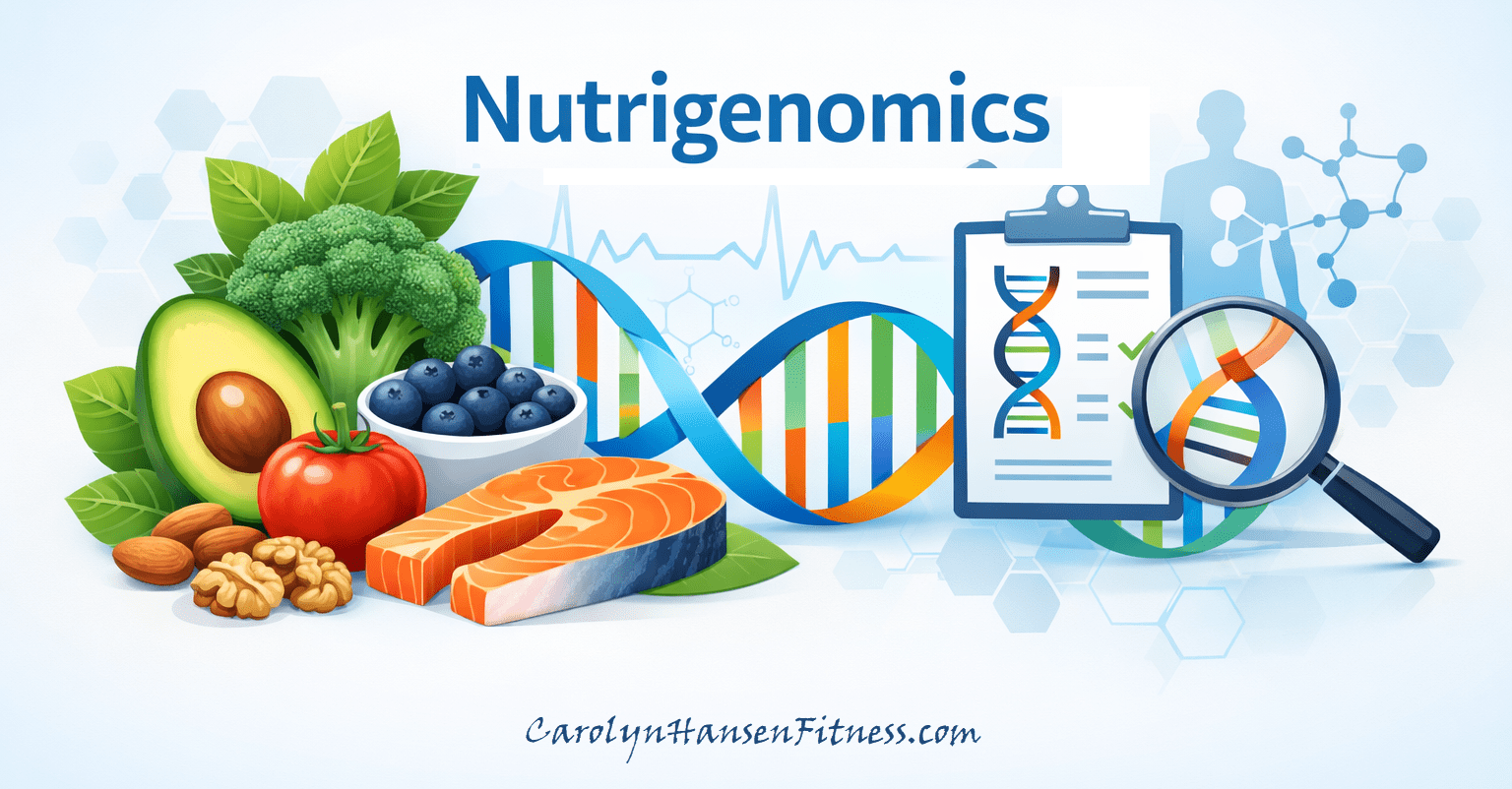
Nutrigenomics is a relatively new field of study that focuses on how the nutrients we eat interact with our human genes.
In laymen’s terms: Like nutrigenetics (they both fall under nutritional genomics), nutrigenomics is the branch of genetic research that studies how different foods affect our genes and how our specific set of genes may react to select nutrients. It studies what occurs when we eat, eat too much, or don’t eat at all.
This emerging new science began nearly 15 years ago when the Human Genome Project revealed how 99.9 percent of all genes are the same with the remaining .01 percent responsible for the differences we experience as individuals. It makes use of molecular tools to access and understand the different responses obtained when a diet is adhered to by individual or groups of people. Basically, scientists wanted to access and know more about the interactions at a molecular level of our genes and the bioactive compounds found in the foods we consume and whether they can negatively or positively affect and influence our health.
Chronic diseases (non-transmissible) are currently a worldwide public health issue, so, understanding these interactions allows doctors to assign and customize diets individually according to genotype thus helping to prevent future illnesses.
Human bodies contain approximately 3 billion DNA pairs that exist and thrive within our 23 pairs of chromosomes.
Although nearly 98 percent of these genes are the same, 2 percent of our genome are protein-coding genes. This small but important group of protein-coding genes contains the genes that define us as an individual. Our unique traits such as straight or curly hair and any sensitivities we may have are all the result of our amino acid arrangements for proteins.
So, although all humans are made of the same genes, we each experience different genetic variants that determine among other things, how well our bodies thrive, our physical traits and even our allergic reactions.
How Personal Nutrigenomics Works –
Nutrigenomics looks at how nutrients influence gene expression. In other words, it is not only the genes you inherit that matter, but whether certain foods “turn on” or “turn off” specific genetic pathways. This is where epigenetics enters the picture. What you eat can influence inflammation, detoxification pathways, hormone balance and even how efficiently your body repairs itself at the cellular level.
For example, certain phytonutrients found in colorful vegetables and fruits have been shown to support the activation of protective genes involved in antioxidant defense. On the other hand, highly processed foods and excess sugar may contribute to the activation of genes linked to chronic inflammation. Over time, these daily dietary signals can either support resilience and vitality or contribute to metabolic dysfunction.
This means your fork is more powerful than you may realize. Food is not just calories; it is information.Every meal sends instructions to your cells, influencing how your body responds to stress, how it manages blood sugar, and how efficiently it produces energy. Understanding this shifts nutrition from guesswork to strategy.
The Science of Nutrigenomics –
Nutrigenomics reveals health-related issues that help us to understand at a deeper level what fuels the body and what does not.
For example, if you are gluten or lactose intolerant, this exciting new science can determine what type of diet is best suited to help your body process nutrients and, in the end, help manage your weight.
A well-calibrated diet isn’t just about basic and general recommendations because there is no one-size fits all solution to nutritional strategies. You’ll never know what nutrient you may be lacking or consuming too much of without taking a deep look into your personal genetic variants. The power of nutrigenomics to uncover your personal genetic nutritional profile can be accessed by nearly anyone using DNA testing.
As you uncover this wealth of valuable information concerning your body’s nutritional needs, you’ll also gain important insight that reveals any genetic predisposition you may have for exercise allowing you to benefit the most from any endurance or strength training you do.
You’ll also gain insight into eating behaviors – are you inclined genetically to a sweet tooth. Do you constantly crave snacks? You’ll discover your body’s personal correct ratio of proteins, carbs and fats, your food reactions, nutritional needs and metabolic health factors.
You’ll learn which vitamins optimize your health, which diet affects your cholesterol, and your response to monounsaturated and polyunsaturated fats along with your omega-6 and omega-3 levels.
Focusing on a diet that aligns with your body’s needs and genetic variants makes it easier in the long run for you to control your weight and feel good from the foods you eat. Without this knowledge, you could be gluten intolerant but not know it and continue to suffer from the effects of eating it.
This comprehensive review of our body’s nutritional needs allows us to choose the right foods for our personal needs. The ones that energize us and help us to feel full, satisfied and healthy.
Still in its infancy, the study of nutrigenomics helps explain the many inconsistencies in research when studying the role of diet in disease and why certain people don’t experience the “average response” to nutrition intervention. It is a whole-system approach to health with the ability to treat diet-related chronic disease and the potential to be the next major leap in our battle against lifestyle linked disease as it unravels the intimate ties between our diet, metabolism and personal genetic makeup.
It empowers dietitians and nutritionists with the right tools to design a diet based on individual genome and personal genetic variations. Let’s face it, it’s much easier to motivate people to eat properly for their individual needs when you can back it up with hard evidence!
Isn’t it time to focues on you! Everything you need to discover and live your best life can be found at:
Self-Improvement Gifts a Library of Free resources that will help you with all your health and fitness needs.