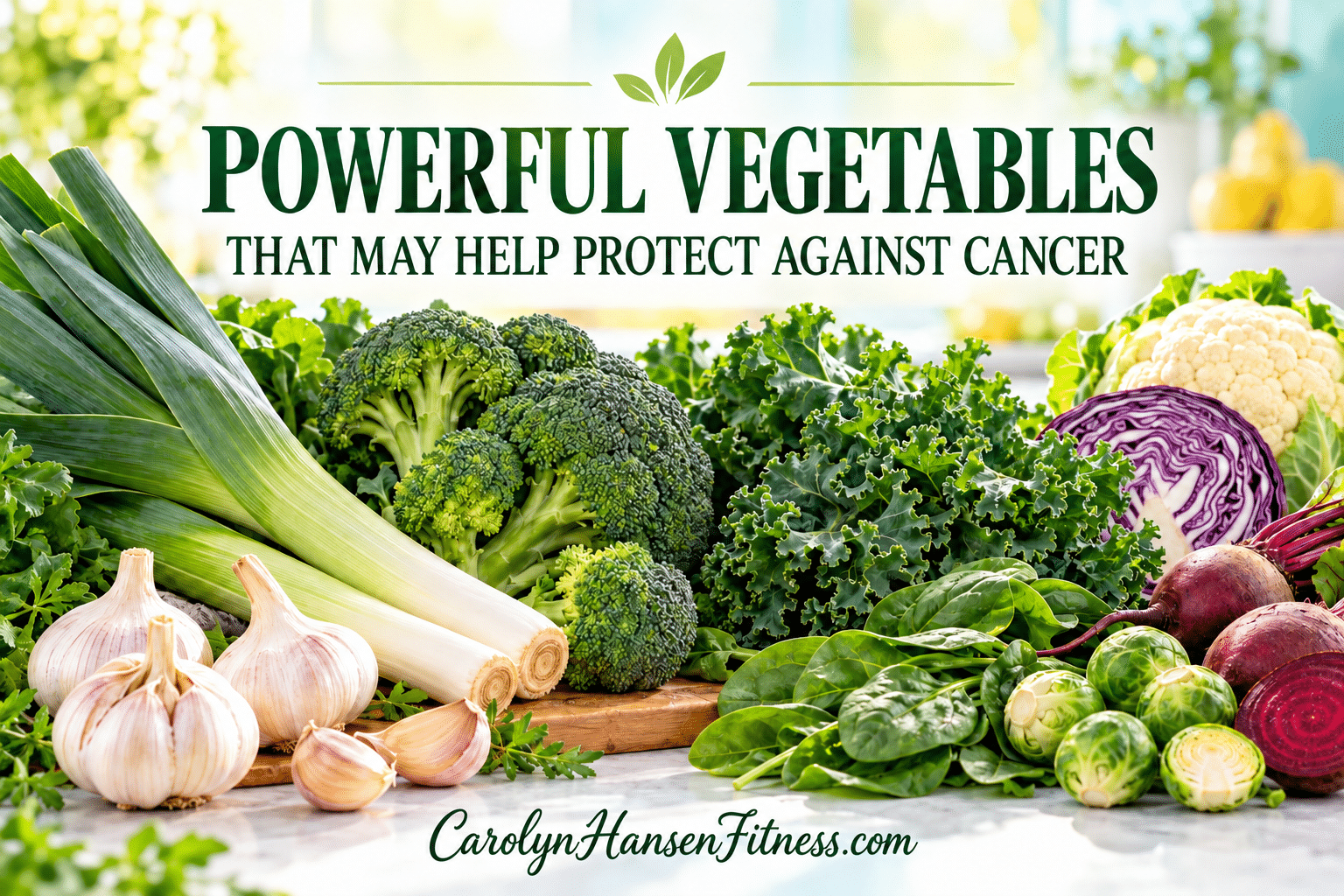
Most people are not aware that thousands of peer-reviewed studies have examined the powerful phytonutrients found in plants and their potential role in helping to prevent cancer.
These naturally occurring plant compounds may help protect cells from damage, reduce inflammation, support healthy immune function and influence some of the biological processes involved in abnormal cell growth.
Unfortunately, much of this valuable research receives very little attention outside scientific and nutritional circles. Unless you are actively searching for the information yourself, you may never hear about the remarkable compounds found in ordinary vegetables. These are the same vegetables available at your local grocery store.
One particularly interesting study, published in Food Chemistry in 2009, compared the antioxidant and anti-proliferative activities of 34 commonly eaten vegetables.
Researchers focused on how vegetable extracts affected eight different cancer cell lines. The vegetables were juiced, and carefully prepared extracts were applied directly to cancer cells growing in a laboratory.
The results of this study were pretty amazing.
Some vegetables had very little effect on the growth of the cancer cells. Others demonstrated powerful anti-proliferative activity, meaning they slowed or stopped the multiplication of certain cancer cells under laboratory conditions.
Before looking at the results, it is important to understand what this type of research can and cannot tell us.
This was a laboratory study involving isolated cells. It did not prove that eating or drinking a particular vegetable will cure cancer inside the human body. Digestion, absorption, metabolism, dosage and many other factors influence how plant compounds behave once consumed.
However, laboratory research is often where important discoveries begin. These findings help scientists identify promising foods and natural compounds for further investigation. They also reveal that vegetables are not nutritionally interchangeable. Different plants contain different families of protective compounds, and some may have considerably stronger biological activity than others.
The Vegetables That Scored Highest
Garlic: Garlic was the most consistently powerful vegetable tested. Its extract strongly inhibited the growth of every cancer cell line included in the study. These included cells originating from brain, breast, lung, pancreatic, prostate and stomach cancers, as well as childhood brain tumors.
Garlic contains sulfur-based compounds that are released when the clove is crushed, chopped or chewed. These compounds have been studied for their potential ability to influence inflammation, cellular signaling, carcinogen metabolism and programmed cell death.
For the greatest benefit, chop or crush fresh garlic and allow it to rest for approximately 10 minutes before cooking. This gives natural enzymes time to help form beneficial sulfur compounds. Garlic can then be added to soups, sauces, vegetables, dressings, beans and countless other dishes.
Leeks: Leeks came out on top when it came to inhibiting the growth of kidney cancer cells, with garlic finishing second.
Leeks belong to the Allium family and offer many of the sulfur-containing plant compounds found in garlic and onions. Their mild, slightly sweet flavor makes them easy to add to soups, stews, stir-fries, omelets and roasted vegetable dishes.
In fact, nearly all the vegetables tested from the Allium and cruciferous families demonstrated activity against a variety of cancer cell lines.
The researchers observed that Allium vegetables, such as garlic and leeks, were highly effective. They also reported that cruciferous vegetables demonstrated potent inhibitory activity against most of the cancer cell lines examined.
Allium family: Garlic, leeks, green onions, yellow onions, red onions, shallots and chives.
Cruciferous family: Brussels sprouts, broccoli, kale, cauliflower, cabbage, collard greens, turnips, watercress and other related vegetables.
These two families deserve a regular place on the dinner table because each contains a complex mixture of vitamins, minerals, fiber and specialized phytonutrients.
The Importance of Cruciferous Vegetables
Cruciferous vegetables contain natural substances called glucosinolates. When these vegetables are chopped, chewed and digested, glucosinolates are converted into biologically active compounds, including indoles and isothiocyanates.
Researchers are studying these compounds for several possible protective actions. In laboratory and animal research, they have been shown to help protect cells from DNA damage, assist with the inactivation of certain carcinogens, reduce inflammation, encourage abnormal cells to self-destruct and interfere with processes cancer cells use to grow and spread.
Studies involving humans have produced mixed results, so these vegetables should not be described as a guaranteed method of preventing or treating cancer. Nevertheless, their nutritional value and potential protective properties make them an intelligent part of a varied, plant-rich diet.
Broccoli is perhaps the best-known cruciferous vegetable, but variety is important. Rotating broccoli, cauliflower, kale, cabbage, Brussels sprouts and collard greens gives your body access to a wider spectrum of protective plant compounds.
Try adding shredded cabbage to salads, roasting Brussels sprouts with herbs, blending kale into a smoothie or serving lightly steamed broccoli with garlic and lemon. Even small changes made consistently can significantly improve the overall quality of your diet.
More High-Scoring Vegetables
Beetroot and spinach were also high scorers against several cancer cell lines, while asparagus, green beans, rutabaga, radishes and fiddleheads all finished with honorable mentions.
Beetroot provides betalains, folate and other protective compounds. Spinach contains carotenoids, folate, vitamin C and numerous flavonoids. Asparagus supplies fiber and folate, while green beans contribute vitamins, minerals and plant compounds that support overall health.
These foods illustrate why a colorful diet is so important. Plant pigments do more than make fruits and vegetables attractive. Many of them perform protective functions within the plant and may also support the human body when consumed regularly.
Aim to include green, red, orange, yellow, purple and white plant foods throughout the week. Each color provides a somewhat different nutritional package.
Lower-Scoring Vegetables Matter Too
Where there are high scorers, there will naturally be lower scorers. In this particular laboratory experiment, the vegetable extracts that did not strongly inhibit the growth of the tested cancer cells included:
Bok choy, Boston lettuce, carrots, acorn squash, English cucumber, endive, fennel bulb, orange sweet pepper, jalapeños, potatoes, radicchio, tomatoes and romaine lettuce.
This does not mean these vegetables are unhealthy, useless or incapable of contributing to cancer prevention.
It only means that their extracts did not demonstrate strong anti-proliferative activity against the specific cancer cell lines under the conditions used in this experiment. A laboratory test measures one narrow activity at a particular concentration and moment in time. It does not measure everything a food contributes to human health.
Carrots, for example, provide carotenoids. Tomatoes contain lycopene. Sweet peppers supply vitamin C, while lettuce and cucumber contribute water, fiber and a variety of micronutrients. Bok choy is itself a cruciferous vegetable, even though it scored relatively low in this particular experiment.
These foods may support healthy digestion, weight management, cardiovascular health, immune function and the body’s natural systems for processing and eliminating waste.
They can also replace heavily processed foods that contain excess sugar, sodium and unhealthy fats.
The lesson is not to remove the lower-scoring vegetables. It is to add more of the vegetables that displayed especially strong activity.
Antioxidant Power Was Not the Whole Story
One of the most intriguing findings was that the anti-proliferative effects of the vegetables were largely independent of their antioxidant activity. In other words, the vegetables with the highest antioxidant measurements were not necessarily the vegetables that most strongly inhibited cancer-cell growth.
This is important because the word “antioxidant” is often treated as though it explains every health benefit associated with plant foods. Antioxidants are valuable, but they are only one part of a much larger picture.
Plants contain thousands of natural compounds that may interact with enzymes, genes, hormones, immune cells and cellular communication pathways. Certain compounds may help the body neutralize potentially damaging substances. Others may influence inflammation, DNA repair, blood-vessel formation or the natural life cycle of a cell.
Whole vegetables provide these substances together in a complex nutritional package. This is one reason obtaining nutrients from food is generally preferable to relying exclusively on isolated supplements.
Most Western diets contain far too few dark-green vegetables, cruciferous vegetables and Allium vegetables. Instead, the most commonly eaten vegetables are often potatoes, frequently served in the form of French fries or chips, along with small amounts of lettuce and tomato.
There is nothing wrong with eating potatoes, carrots, tomatoes or lettuce. The problem is the lack of variety and the absence of more nutrient-dense foods.
A salad made almost entirely from pale lettuce, topped with a few slices of cucumber and covered with a sugary dressing, cannot provide the same range of phytonutrients as a meal containing kale, broccoli, cabbage, onions, garlic and beans.
Healthy eating patterns emphasize vegetables, fruits, legumes and whole grains while limiting heavily processed foods, processed meats and sugar-sweetened products. Cancer-prevention guidance also recommends eating a variety of plant foods rather than depending upon any single “superfood.”
Cancer is a complex group of diseases influenced by genetics, age, tobacco use, alcohol, body weight, infections, environmental exposures, physical activity and many other factors. No vegetable can erase every risk. However, the foods you eat each day can help create an internal environment that supports better health.
The original study used vegetable extracts because researchers needed to apply controlled concentrations directly to cells. That does not mean juice is always the best way to consume vegetables.
 Juicing can provide a concentrated source of plant nutrients and may help people consume vegetables they would otherwise avoid. However, much of the natural fiber is removed during traditional juicing.
Fiber supports healthy digestion, feeds beneficial intestinal bacteria, helps regulate blood sugar and may contribute to a reduced risk of colorectal cancer. Therefore, whole vegetables, salads, soups and blended smoothies should remain important parts of the diet.
If you enjoy fresh vegetable juice, use it as an addition to a balanced diet rather than as a complete replacement for whole vegetables.
A juice containing kale, cucumber, parsley, lemon and a small amount of fruit can be refreshing. A meal containing broccoli, cabbage, onions and garlic provides both protective compounds and valuable fiber.
Cooking Healthy
You do not need to eat every vegetable raw to receive benefits. Cooking can soften fiber, improve flavor and make certain nutrients easier to absorb.
Light steaming, sautéing and roasting are excellent options. Avoid boiling vegetables for long periods and then throwing away the water because water-soluble nutrients may be lost. If vegetables are cooked in soup or stew, those nutrients remain in the broth.
Raw and cooked vegetables each offer advantages. The easiest approach is to eat a mixture of both.
Try lightly steaming broccoli, roasting cauliflower, massaging raw kale into salads, adding cabbage to soups and stirring chopped garlic into dishes near the end of cooking. The healthiest preparation method is ultimately the one that helps you enjoy these foods regularly.
You do not have to completely redesign your diet overnight. Begin by upgrading the meals you already eat.
Add chopped onion, garlic and spinach to scrambled eggs. Include shredded cabbage or kale in a lunchtime salad. Roast broccoli or Brussels sprouts as a dinner side dish. Add cauliflower, leeks and beans to soups. Blend spinach into smoothies or sauté leafy greens with garlic.
Keep frozen broccoli, cauliflower and spinach available for busy days. Frozen vegetables are convenient, economical and nutritious. Precut vegetables can also make healthy eating easier when time or energy is limited.
Most importantly, do not wait for illness before improving your diet. Prevention is built through ordinary choices repeated over time.
Food Is Not a Substitute for Treatment
If cancer is presently a concern of yours, speak with your physician or a registered dietitian experienced in oncology before making major dietary changes or using concentrated supplements. Certain foods and supplements can interact with medications or may not be appropriate during particular treatments.
A nourishing diet can support the body, help maintain strength and improve overall well-being, but it should complement appropriate screening, diagnosis and medical care rather than replace them. If cancer is not presently a concern, now is the ideal time to build healthier habits.
In either case, make room on your plate for more cruciferous and Allium vegetables. They are affordable, versatile and filled with compounds that continue to attract serious scientific interest.
After all, as Benjamin Franklin so aptly stated: “An ounce of prevention is worth a pound of cure.”
YOU have plenty of options available that can help to improve your health and fitness – all offered absolutely FREE
Check out: